Inmaculada Álvarez-Fernández, Noela Sánchez-Carnero, Juan Freire (2024). Governance, not design, rules European Atlantic MPA performance. Regional Studies in Marine Science, 71, 103419. https://doi.org/10.1016/j.rsma.2024.103419
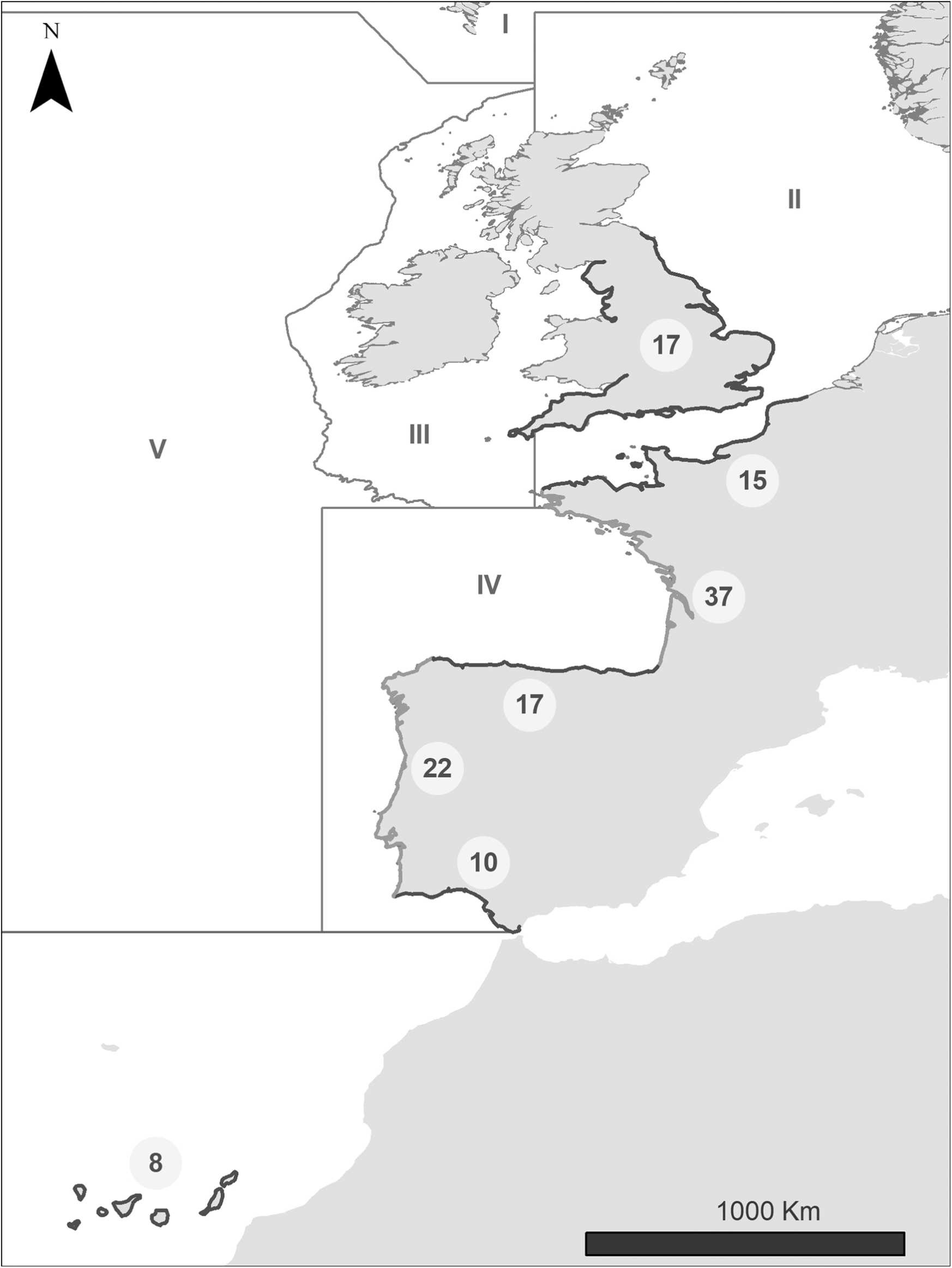
We studied 125 NE Atlantic Marine Protected Areas (MPA) managed by 56 management plans (MgP) to test the hypothesis that MgP design and implementation and governance processes affect MPA performance using 8 indicators characterizing these processes (MgP objectives, MgP stakeholders, MgP implementation and renewal, management effort, management quality, MPA monitoring, MPA resources and MPA management performance).
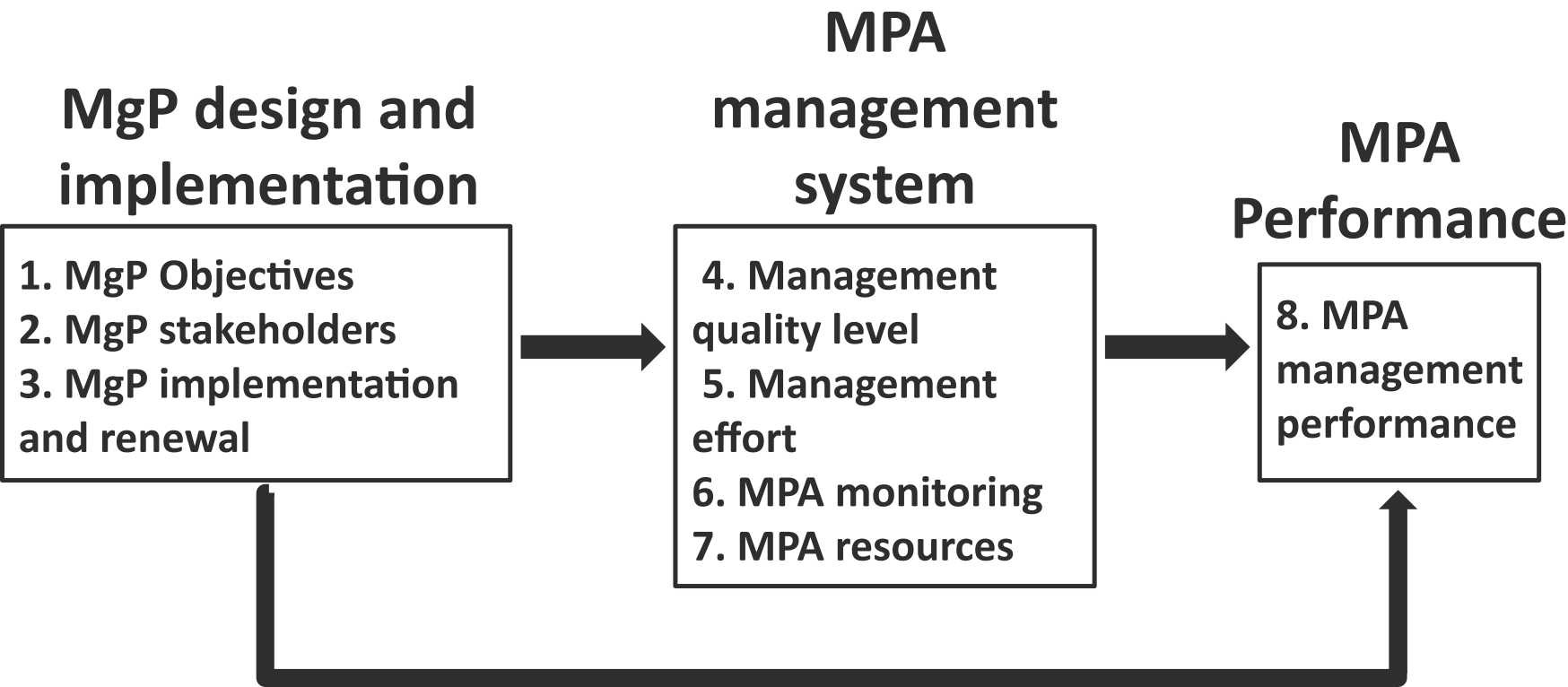
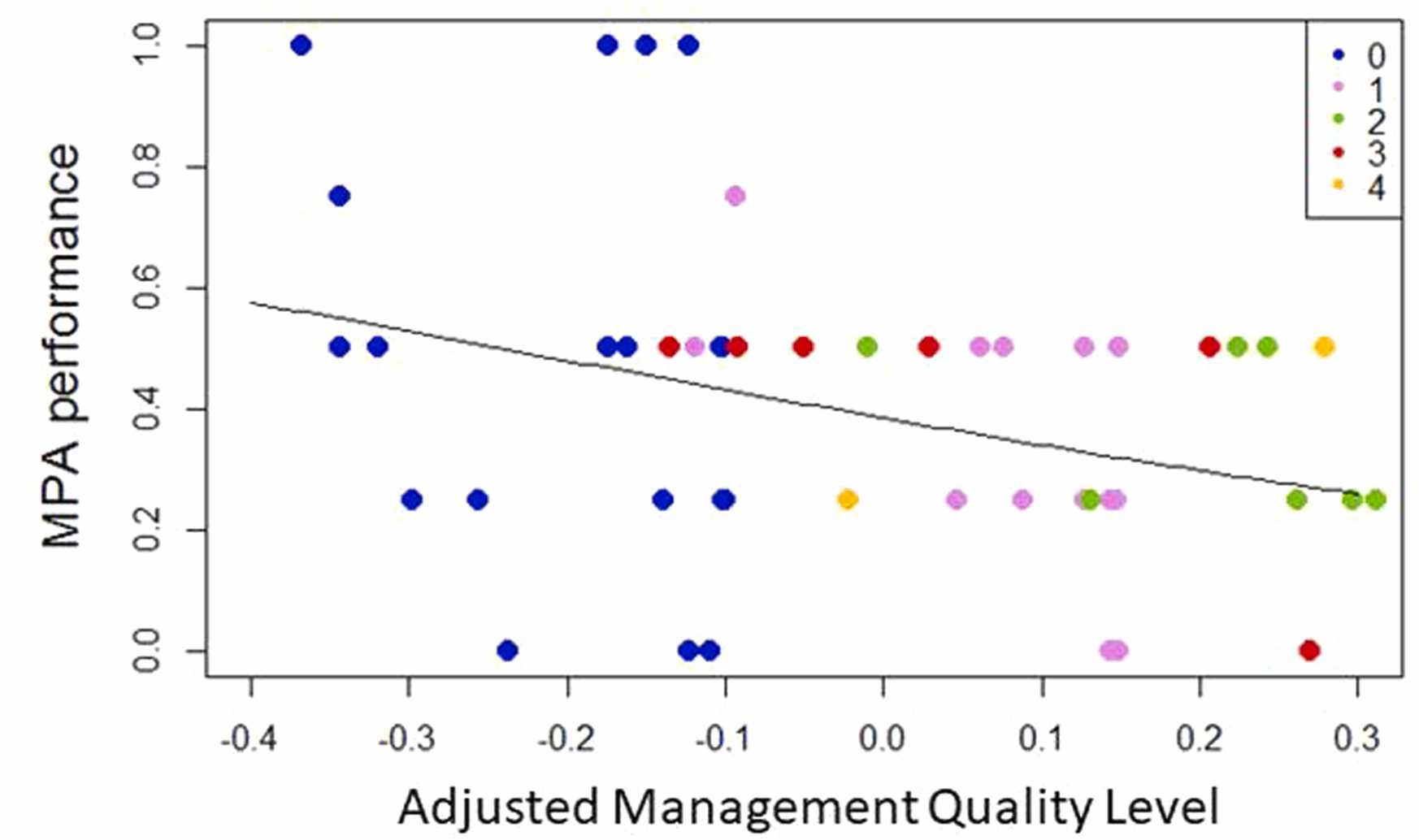
Effective governance is critical for MPA performance, contradicting previous studies that identified MPA design, MgP design, and stakeholder participation as key factors.
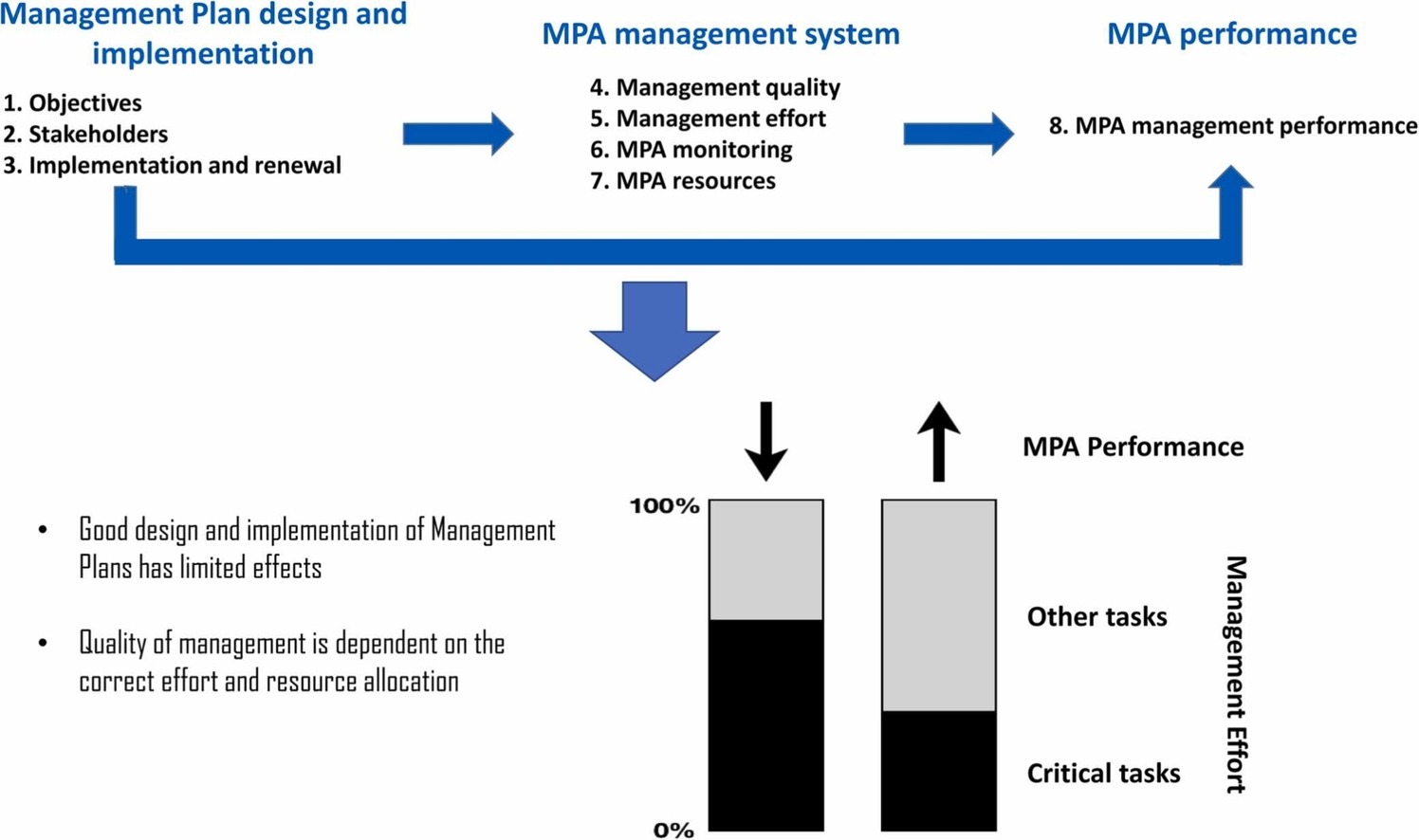
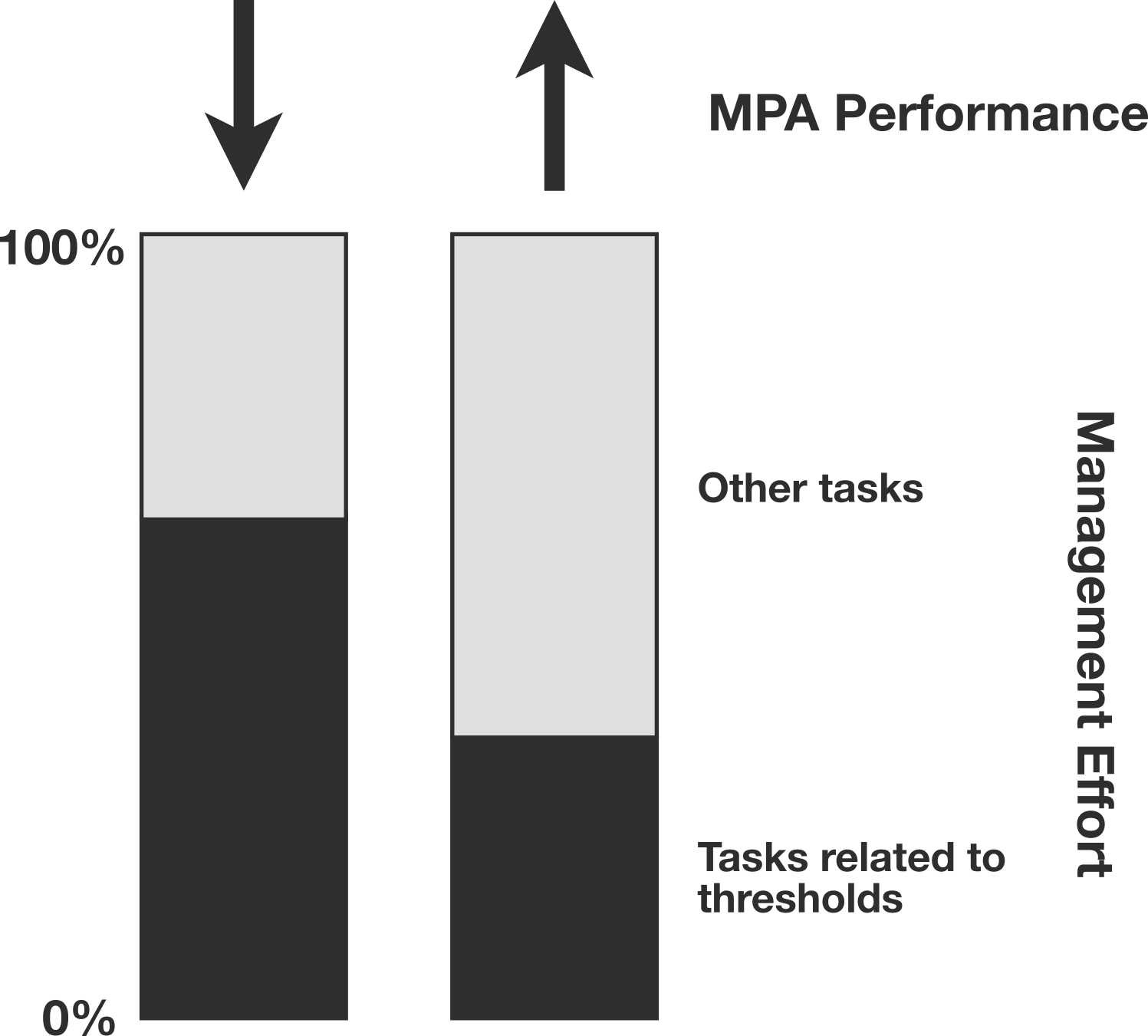
The quality of management was strongly dependent on the correct effort and resource allocation; excessive focus on budget and law enforcement, which reduced other efforts, was negative for performance. Contrarily, investment in other tasks (operative management body, monitoring and assessment, information, education and communication, and community participation) increased performance.
Lessons learned:
Our main conclusion is that a good design and an adequate implementation of the MgPs have a limited value in MPA performance. However, a good management system could promote high performance independently of an adequate initial design of the MPA. Good management system implies the continuous process of knowledge generation and organisational learning that continuously improves design and management aligning them to the objectives.
Taking into account our results we could propose two strategic recommendations related to the public policies for MPAs in the NE Atlantic Ocean to increase their performance.
- First, the conceptual framework used to design and manage MPAs is not working and it is needed to prioritise the available resources for the tasks and processes with a stronger impact on performance. Incorrect allocations could reduce the resources available for other management tasks critical for performance.
- Second, conceptual frameworks of public policies should not be taken by default and we need to confront in a rigorous way the details affecting the functioning of marine reserves. The available evidence presented here (based on expert knowledge and documentary sources, for a large set of MPAs) shows that an effective management system, and not design and implementation, is critical for MPA performance in the Atlantic Arc. It is not only about increasing effort and resources that will be always restricted, it is about gathering solid evidence about specific factors critical for performance and using these evidences in the effective management of MPAs.